By the 1970s, many rock fans had come to accept that a reunion of The Beatles was no longer realistic. Although the group seemed capable of lasting far longer, growing internal conflicts gradually drained their creative energy and pushed each member toward separate paths.
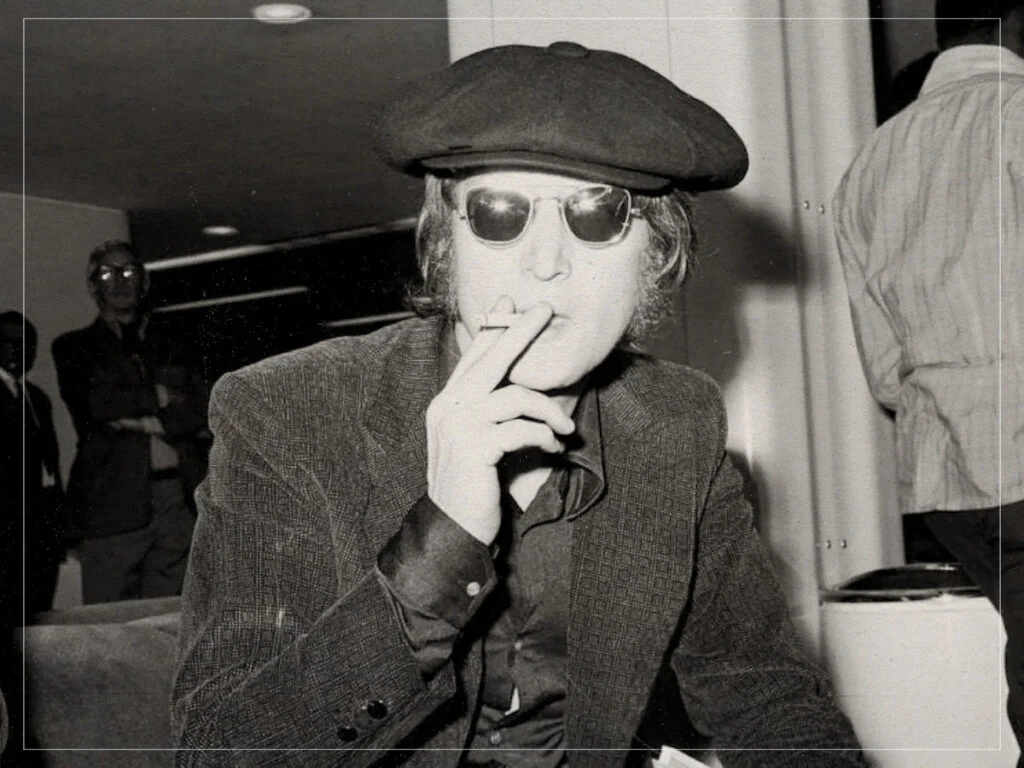
As the band members moved on, they each found success on their own, proving their individual strengths outside the group. John Lennon, in particular, leaned into his love for classic rock and roll, while still keeping an open mind about emerging artists and new musical movements.
Following his departure from The Beatles, Lennon became deeply introspective, closely examining his personal experiences and emotional struggles. This period marked a shift toward more raw and revealing songwriting.
After releasing several experimental projects alongside Yoko Ono, Lennon began to reassess his identity and role in society. His music grew more personal and confrontational, reflecting both inner healing and social awareness.
Albums such as Plastic Ono Band captured this transformation, as Lennon confronted childhood trauma and criticized social injustice. Songs like “Working Class Hero” showcased his willingness to challenge hypocrisy while embracing honesty and vulnerability in his art.
About the Author