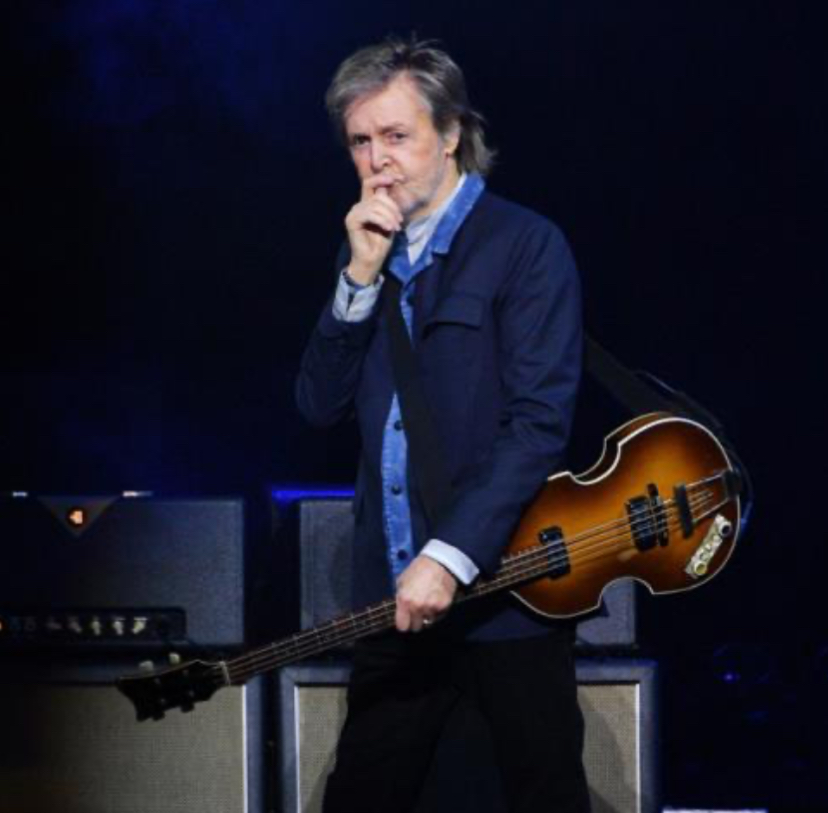
Sir Paul McCartney has opened up about the emotional devastation he felt after The Beatles split, admitting he felt “dead” inside during that time. In his new memoir Wings: The Story of a Band on the Run, the 83-year-old music legend reflects on how the group’s breakup left him lost, uncertain about his future, and even tempted to quit music altogether. He also revisits the bizarre “Paul is dead” conspiracy theory that emerged in the late 1960s, which falsely claimed he had died in a car crash and been replaced by a lookalike.
McCartney recalls how the rumor snowballed out of control after an American DJ amplified it in 1969, convincing millions worldwide that he was gone. The former Beatle said he and his wife Linda decided to move away from London to escape the toxic speculation and gossip that surrounded the band’s collapse. Looking back, Paul confessed that, metaphorically, the rumors weren’t far off — emotionally, he did feel dead, overwhelmed by legal disputes and personal turmoil as his life unraveled.
Finding solace in rural Scotland, McCartney credits his wife and their daughter Mary for helping him rediscover himself. Life on their sheep farm gave him a sense of freedom he hadn’t known for years. He began to rebuild both personally and creatively, no longer confined by the immense shadow The Beatles had cast. This newfound independence inspired him to create new music, leading to his collaboration with Linda and drummer Denny Seiwell on the 1971 album Ram.
However, McCartney’s post-Beatles journey was far from smooth. Early critical response to Ram was brutal, with major outlets like Rolling Stone dismissing it as irrelevant. The harsh reviews pushed McCartney into bouts of self-doubt and depression, making him question whether he still had the talent to succeed on his own. Yet, instead of giving up, he formed Wings with Linda and guitarist Denny Laine — a move that would eventually redefine his career.
Wings soon achieved massive success, with hit albums like Band on the Run and Venus and Mars, and the record-breaking single Mull of Kintyre, which became the UK’s first to sell over two million copies. Even after Wings disbanded in 1981, McCartney’s solo career flourished. In his memoir’s foreword, he shares that he continues to create with enthusiasm,
About the Author