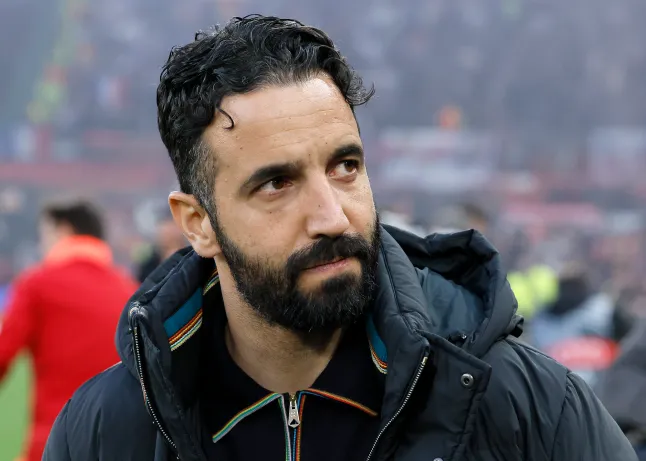
Manchester United’s recent decision to part ways with Ruben Amorim has sparked deeper examination of the issues that led to his exit. While on-field results and tactical disagreements were factors, new reports suggest that the breakdown was also fueled by how Amorim treated certain players and handled communication with the club’s leadership.
Sources indicate that frustrations with Amorim did not appear suddenly but developed over time, as concerns about his approach and conduct steadily mounted. Multiple incidents reportedly acted as catalysts, pushing the club closer to the decision to terminate his tenure.
A key element of the unrest involved his interactions with three specific players, which left the United hierarchy frustrated and questioning his management style. These situations, combined with public messaging that did not align with the club’s expectations, intensified tensions behind the scenes.
The emerging details suggest that Amorim’s treatment of players and the way he communicated both internally and externally were significant contributors to the leadership concluding that a change was necessary. The club’s decision reflects not just short-term performance issues but broader concerns about alignment and professionalism.
Ultimately, Manchester United’s move underscores the importance of harmony between management, players, and executive leadership. Amorim’s tenure serves as a reminder that results alone may not secure a manager’s position if relationships and communication within the club deteriorate.
About the Author