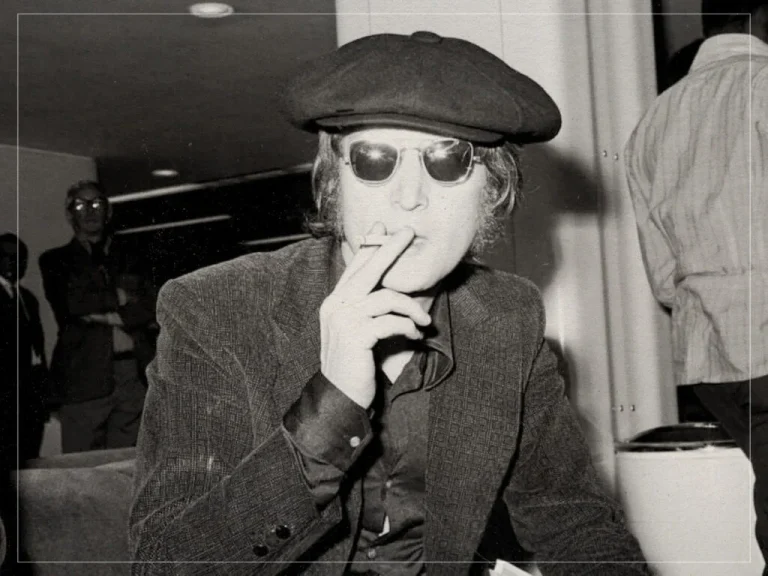
The prospect of The Beatles reuniting lingered constantly after their breakup in 1970, right up until the tragic news of John Lennon’s death. Fans and the media never let the dream die, hoping that the legendary band might one day come together again. Although the members occasionally collaborated on each other’s solo projects and managed to mend personal rifts, the immense expectations surrounding a reunion loomed large. Lennon himself, despite his often cynical tone about his Beatles years, admitted that chances for a reunion had been closer than many realized.
Yet, Lennon wasn’t eager to relive the chaos and fame that came with being a Beatle. His early solo career marked a deliberate break from that identity, as he tried to rediscover himself as an artist and as a person. By the late 1970s, Lennon had stepped away from music entirely, embracing a quieter life as a stay-at-home father with Yoko Ono. During that period, the idea of re-entering the spotlight seemed far from his mind, as he focused on personal peace over global stardom.
In many ways, Lennon’s choice reflected a deep sense of exhaustion with the pressures of fame. He had experienced the pinnacle of success and the pitfalls that came with it, and he knew firsthand how relentless the music industry could be. While many artists crave the spotlight, Lennon sought the opposite—normalcy, family, and space to breathe after years of constant attention. For him, the idea of another Beatles era was not an exciting possibility, but a burden he had already carried once.
Still, fans continued to dream. The Beatles were more than a band—they were a cultural phenomenon that defined a generation. The thought of them returning, even for a single performance, held emotional and historical weight that few other reunions could match. Lennon understood this allure, even as he distanced himself from it. He recognized that their legacy had grown far beyond the four men who started it all.
Ultimately, while Lennon once hinted that a particular song could have sparked a Beatles reunion, it remained only a thought—an unrealized “what if.” His reflections revealed both his affection for the group’s legacy and his determination to move forward independently. In the end, Lennon’s peace of mind took precedence over nostalgia, leaving fans to imagine what might have been if the band had ever found their way back to the stage together.
About the Author