Formula 1 stars earn some of the highest salaries in sports, with top drivers making tens of millions annually. However, even these massive paychecks are affected by a lesser-known FIA rule that requires drivers to pay super license fees, which can take a noticeable chunk out of their earnings.
The FIA super license is mandatory for all drivers competing in F1, and the fees are calculated based on a driver’s career points and other factors. While the system is designed to regulate the sport and reward experience, it can result in substantial costs for even the most successful racers.
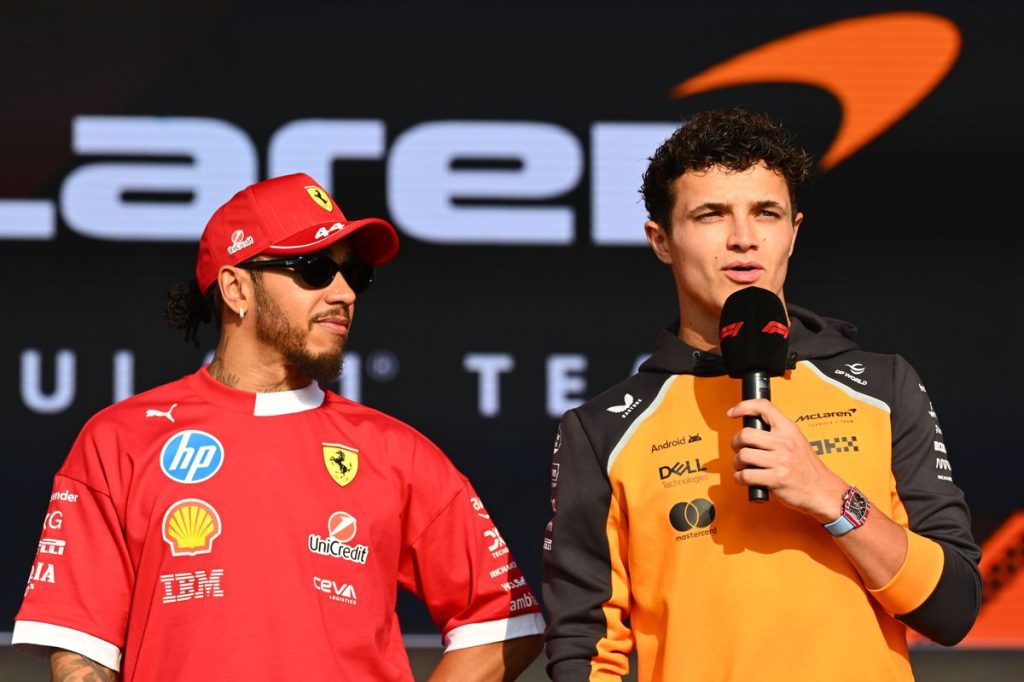
Lando Norris has recently been highlighted as one of the drivers most affected by these fees, with a significant portion of his income going toward maintaining eligibility under FIA rules. The charges serve as a reminder that high salaries in F1 don’t fully reflect take-home pay.
Lewis Hamilton, despite his legendary career and enormous earnings, is also facing a notable super license bill this season. The fees underscore the ongoing financial obligations that all top-level drivers must manage, beyond team contracts and sponsorships.
Overall, while F1 drivers are among the best-paid athletes in the world, the FIA super license fees are a unique cost that can make even multimillion-dollar salaries feel slightly smaller. It highlights an unusual intersection of regulation and wealth in the sport.
About the Author