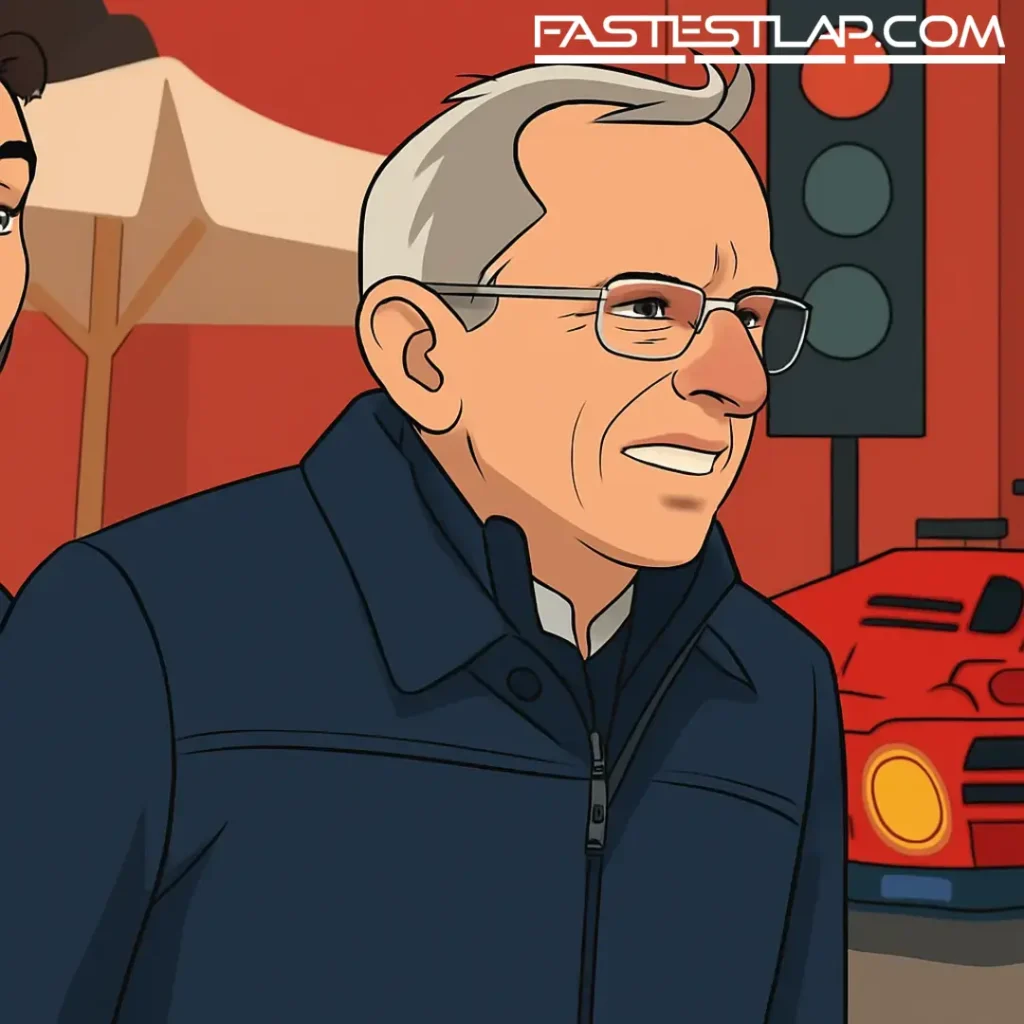
As Formula 1 heads into the Brazilian Grand Prix at Interlagos, the paddock atmosphere is charged with introspection and bold moves. Ferrari’s leadership is openly confronting its shortcomings, while familiar faces like Claire Williams are making surprising career pivots. Across the grid, teams are juggling their final-season ambitions with preparations for 2026 — a mix of strategic gambles, recalibration, and self-assessment as the season nears its climax.
Ferrari CEO Benedetto Vigna has drawn attention with his candid admission that rival teams appear to be operating with greater precision and harmony. In a rare show of transparency, Vigna acknowledged that “others seem to run more smoothly,” adding that Ferrari is working to align all its “ingredients necessary to win.” His words blend realism with determination, signalling a deep-rooted effort to unify the team after another season of near-misses. While Ferrari has the pace to contend, its recurring execution flaws have turned potential victories into lessons in humility.
Behind those words lies a quiet but urgent drive within Maranello. The team’s engineers and strategists are focusing on consistency — ensuring their competitive car translates into complete race weekends rather than isolated flashes of speed. The tone from the top reflects both accountability and a rallying call: Ferrari knows its car can fight at the front, but every misstep in strategy or reliability now costs dearly in a hyper-competitive field. As the 2025 season closes, the Scuderia’s push for perfection has taken on new intensity.
Meanwhile, an unexpected name is surfacing in political circles — Claire Williams, former team principal of the legendary Williams F1 team. Williams has revealed that she’s seriously considering running for a seat in the UK Parliament, possibly as a Conservative MP. With her background in leadership and communication, she says her motivation lies in “driving positive change” and improving lives through public service. The move might seem unconventional, but her experience managing crises and steering a team through turbulent times could make her a natural fit for politics.
Williams’ potential transition from Formula 1 pit walls to Westminster’s green benches underscores how F1’s high-pressure world can shape leaders beyond the track. As the sport’s focus shifts to São Paulo, where Interlagos often delivers both drama and truth, the paddock reflects a broader truth about Formula 1 itself: success isn’t just about speed, but about evolution — whether that’s in car design, leadership, or the unexpected directions its figures choose to take.
About the Author