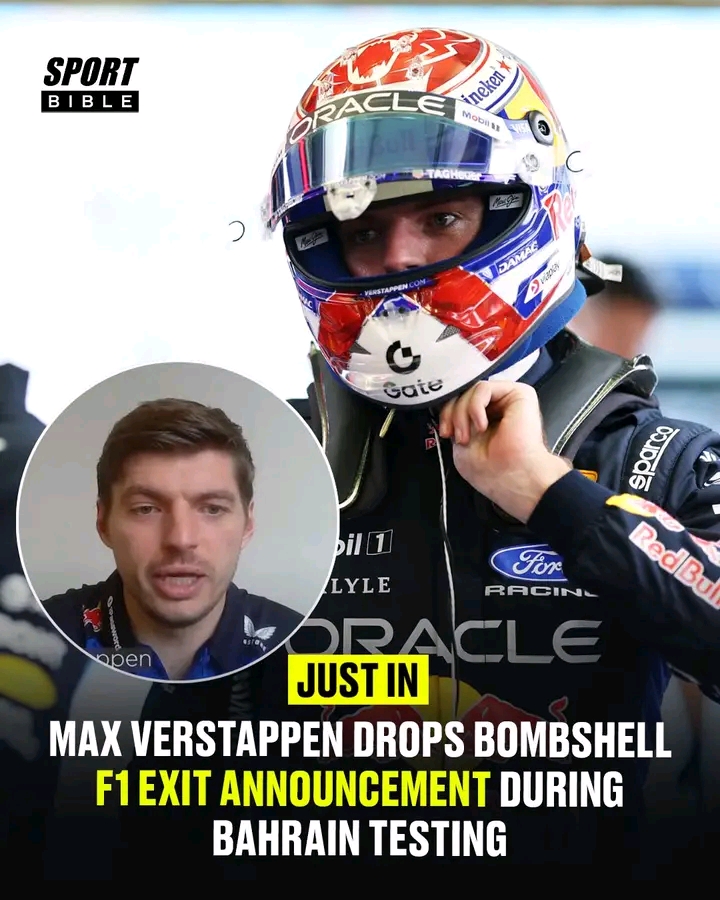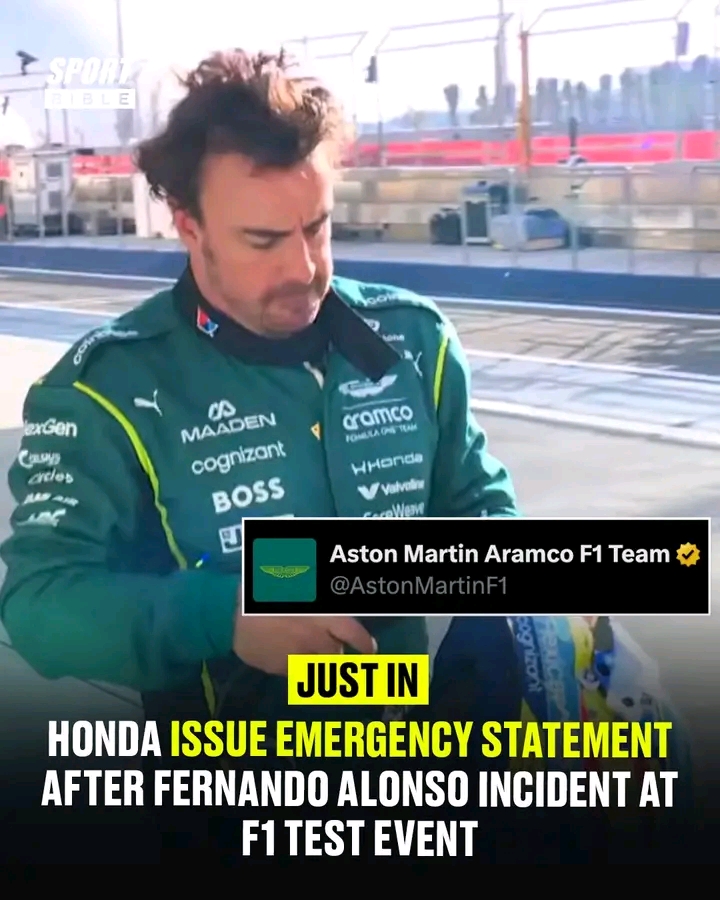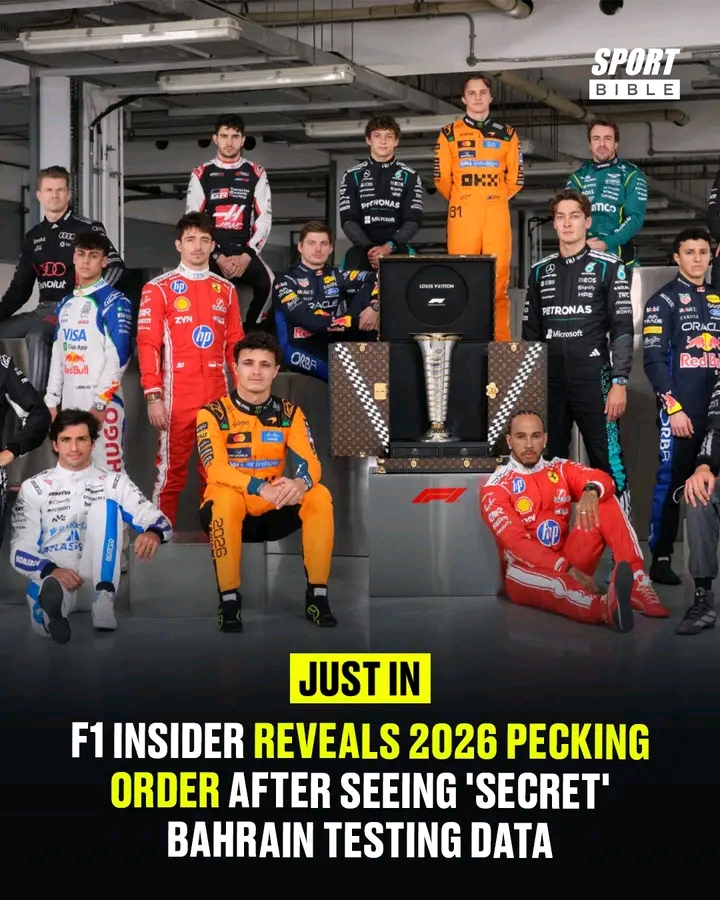
An insider within the paddock has claimed that the competitive order for the 2026 season is already beginning to take shape, following what they describe as “eye-opening” private simulator and power unit testing data from Bahrain. With the sport preparing for sweeping regulation changes — including new hybrid engine architecture and revised aerodynamic concepts — several manufacturers have been quietly gathering performance indicators behind closed doors.
According to the source, much of the confidential running and dyno correlation work has centered around facilities linked to the , where controlled climate conditions and established infrastructure make it an ideal development hub. While no official lap times have been released, early simulations reportedly suggest notable gaps between manufacturers, particularly in energy deployment efficiency and battery recovery systems under the 2026 technical framework.
At the sharp end, insiders suggest that has made a strong initial step with its next-generation power unit, leveraging its prior hybrid-era expertise. Close behind is said to be , whose internal projections indicate gains in electrical deployment consistency — an area expected to be decisive under the new regulations. Both manufacturers have reportedly focused heavily on reliability benchmarks after lessons learned during earlier hybrid transitions.
Meanwhile, reigning powerhouse , working in conjunction with its evolving engine program, is believed to be in the midst of aggressive development to close an early deficit in peak deployment. However, the team’s aerodynamic department is said to be optimistic, as the revised chassis regulations may allow it to offset any shortfall in straight-line output. is also understood to have shown encouraging simulation pace, positioning itself as a potential disruptor should the competitive order compress.
Perhaps most intriguing is the progress attributed to , which is preparing for its full works entry in 2026. Early technical assessments reportedly indicate steady advancement rather than headline-grabbing performance, but insiders caution that development curves can shift dramatically before the first race. With nearly two years of refinement still ahead, the 2026 pecking order remains fluid — yet if the Bahrain data proves accurate, the battle at the front could be tighter, and more unpredictable, than many had anticipated.
About the Author