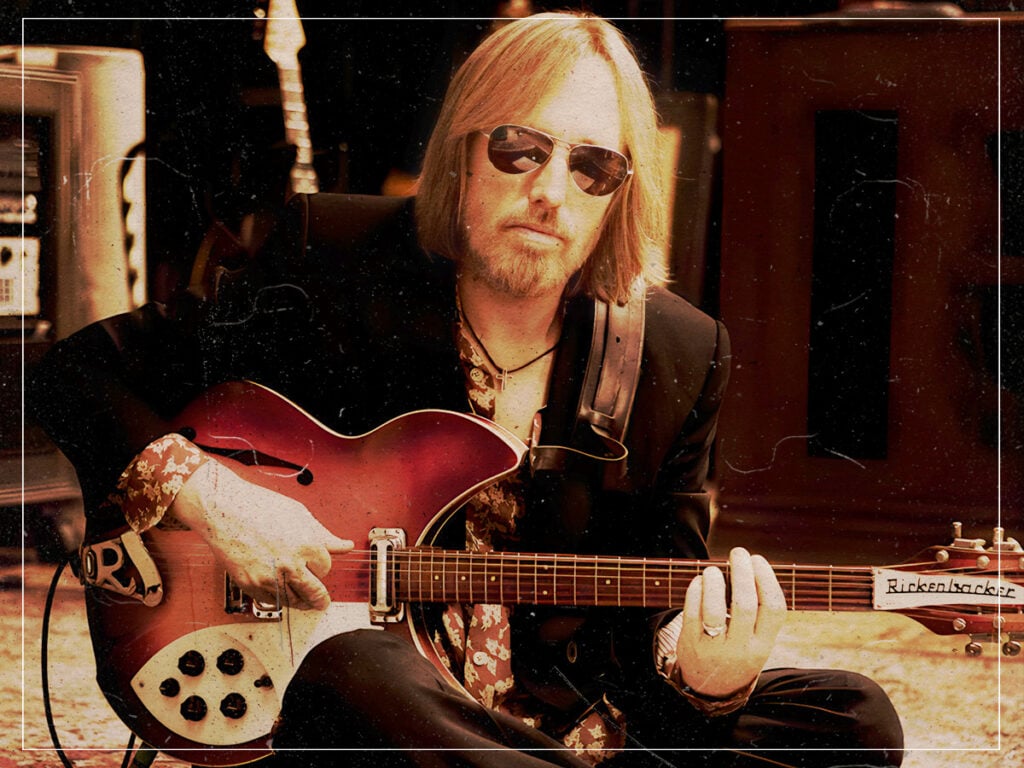
Tom Petty’s musical journey was marked by powerful collaborations, yet one song proved so personal that he couldn’t bear to part with it. While the late rock legend frequently worked alongside other greats, from his Heartbreakers bandmate Mike Campbell to producer Jeff Lynne, there were limits to what he was willing to share. Among those he collaborated with most memorably was Fleetwood Mac’s Stevie Nicks, a partnership that produced some of the era’s most beloved music — but also one that tested Petty’s artistic boundaries.
Throughout his career, Petty had a natural gift for connecting with like-minded musicians. His creative chemistry with Campbell helped shape the Heartbreakers’ defining sound, and his later work with Lynne brought a slick polish to his songwriting. Yet, it was his musical connection with Nicks that stood out as both intimate and creatively electric. The two shared a deep appreciation for storytelling, emotion, and Americana roots — qualities that made their collaborations resonate with millions.
When Nicks began work on her debut solo album Bella Donna in 1981, it seemed only natural that Petty and his band would be involved. Their synergy gave rise to the hit single “Stop Draggin’ My Heart Around,” a duet that remains one of the defining moments of both artists’ careers. The track’s success cemented their friendship and artistic bond, turning their musical partnership into rock history.
However, there was one song that tested the limits of that friendship. Petty had written a piece so close to his heart that, when Nicks expressed interest in recording it, he gently but firmly refused. His response was simple yet telling: “I can’t give you this.” It wasn’t out of ego but out of emotional attachment — the song meant too much to him to let go, representing something deeply personal that he couldn’t see sung by another voice, even one he admired.
That moment revealed much about Petty’s integrity as a songwriter. Despite his openness to collaboration, he knew when to protect a piece of art that carried his own soul. His bond with Nicks endured, built on mutual respect and shared artistry, but his refusal underscored a truth all great musicians understand — that some songs belong only to the one who lived them.
About the Author