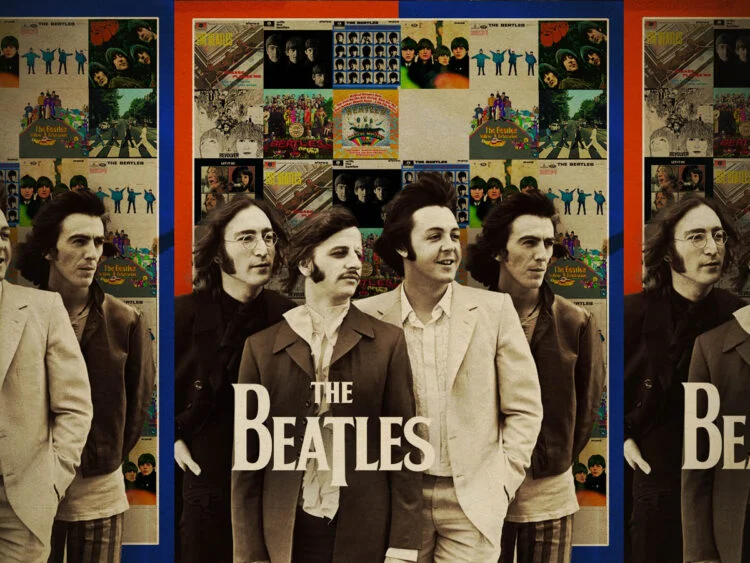
The enduring appeal of The Beatles lies in the sheer breadth of their music. With such a diverse catalogue, it feels almost unthinkable that anyone could genuinely dislike everything they created. Their songs span moods, styles, and generations, allowing listeners to connect with different versions of the band depending on taste, nostalgia, or discovery.For some fans, the magic lives in the early years, particularly on Please Please Me, where four young musicians helped define modern pop by fusing upbeat melodies with American blues and rock influences. Others gravitate toward Help!, an album that signaled growth, as The Beatles began weaving subtle existential themes into their lyrics while still maintaining their chart-friendly sound.A more radical transformation arrived in 1966 with Revolver. This record marked the band’s psychedelic awakening, introducing experimental production techniques, reversed guitar lines, and abstract lyricism. It launched a creative journey into bold musical exploration that would continue through the latter half of the 1960s and reshape popular music along the way.What ultimately underscores The Beatles’ greatness is how their popularity is spread so evenly across these different phases. No single era completely overshadows the others, which highlights the band’s rare ability to evolve while remaining consistently beloved. Still, beyond personal preference, chart longevity offers a concrete way to evaluate which albums made the most lasting impact.While the compilation album 1 technically holds the record for chart weeks, its status as a greatest-hits collection excludes it from the debate. Among studio albums, Abbey Road stands supreme, having spent over 500 weeks on the Billboard 200. Despite John Lennon’s later criticisms, the album captures the band at a creative peak, balancing individual voices—particularly George Harrison’s—with the Lennon-McCartney partnership. As their final recorded statement, it stands not just as their most successful album, but arguably their finest.
About the Author