As Formula 1 looks ahead to the 2026 season, attention is turning not just to the cars themselves but to the brands powering them. The focus on next-generation power units highlights how crucial the right partnerships between teams and fuel suppliers will be in the sport’s evolving landscape.
With sustainability taking centre stage, the composition and performance of fuels are becoming as important as engine design. Teams are exploring innovative options to balance performance, reliability, and environmental responsibility in the new regulations.
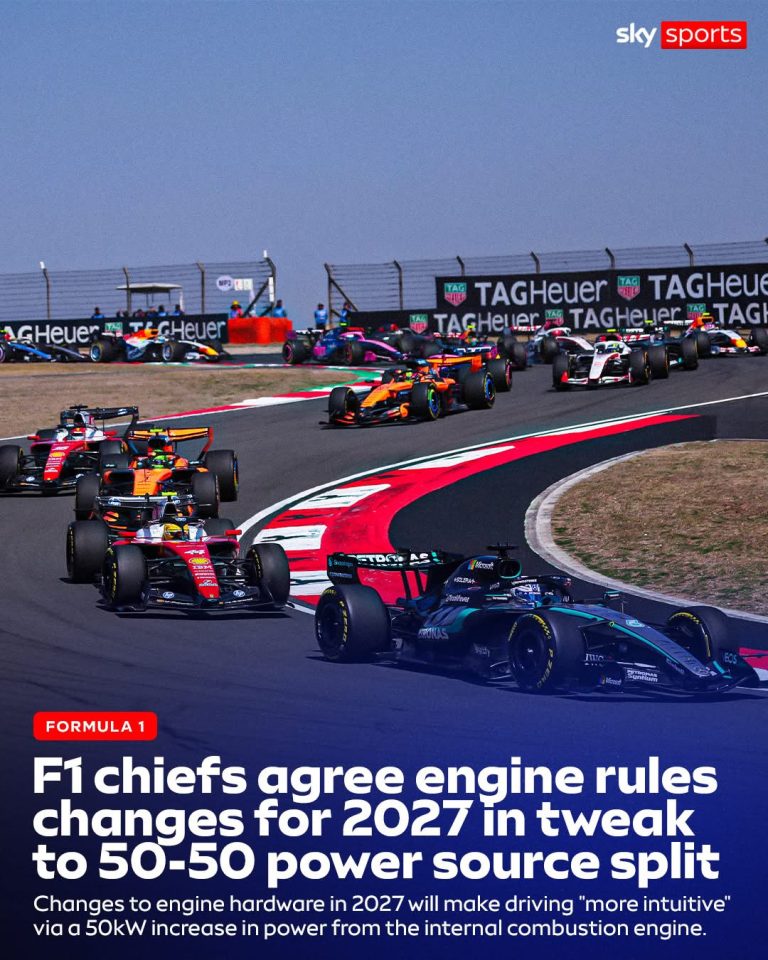
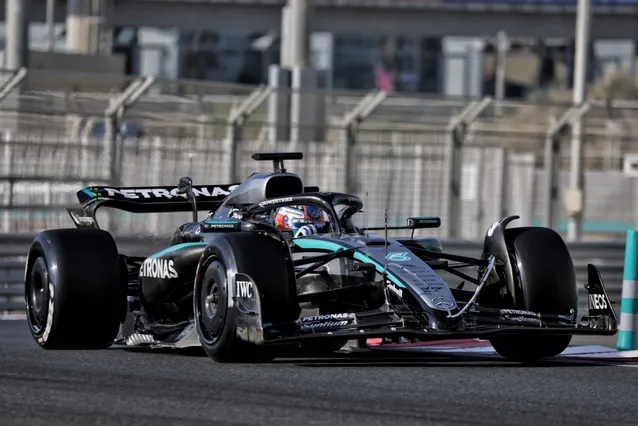
The 2026 power units will showcase cutting-edge technology, with each component reflecting careful collaboration between manufacturers and fuel partners. How well these elements integrate could define the competitive edge for the season.
Suppliers are under pressure to deliver solutions that meet both the demands of high-performance racing and F1’s sustainability goals. The partnerships forming now will set the tone for how teams tackle efficiency, speed, and durability on track.
Ultimately, the brands inside the power units are more than just names—they represent the technical expertise and innovation that could shape the championship. As F1 moves towards greener fuels, the right combination of engine and supplier could be a decisive factor for success in 2026.
About the Author