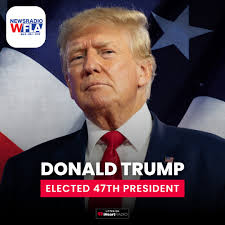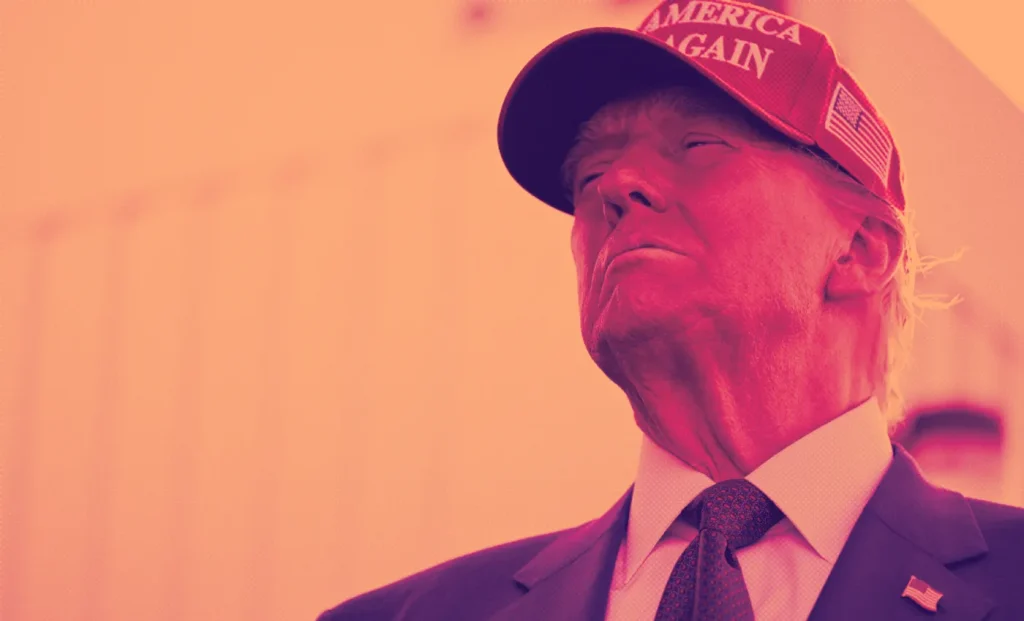
The Somali community has been shaken after Donald Trump used insulting language toward Somalis, calling them “garbage” and claiming they contribute nothing to the United States. His comments sparked global outrage and reignited debates about how political rhetoric can fuel hostility toward immigrant groups.
Somalis have long worked hard to build lives in the countries that welcomed them, including the US and the UK. Many fled violence and persecution, seeking safety under international law. For them, Trump’s remarks are not only offensive but also dangerous, as they risk encouraging discrimination and fear at a time when immigrants already face challenges.
Members of the Somali community in places like Minnesota say they are now living with increased anxiety. Some describe staying inside their homes after Trump’s speech, worried about encounters with immigration officers and afraid of being treated differently in public spaces. Reports of people being questioned at airports and avoiding malls show how quickly hostile rhetoric can impact daily life.
The recent termination of Temporary Protected Status for Somali migrants has added to the uncertainty. Even though most Somali residents in the US are citizens or legal residents, the president’s comments have created tension and fear across the community. Some who once supported Trump now feel betrayed and exposed, believing the damage to their reputation and safety will last long past this moment.
Somalis emphasize that they, like all immigrant groups, deserve respect, security, and recognition for the contributions they bring to their adopted homes. Trump’s attacks on Somalis—and other immigrant communities—reflect deeper issues of xenophobia and racism. As many point out, the US is a nation built by immigrants, including Trump’s own ancestors. Demonising entire communities is not only unjust but also harmful to democratic values.
About the Author